 Voice Technology is any software or device that utilizes voice recognition to carry out functions. Devices and virtual assistants such as Amazon’s Echo, Google Home and Siri have provided a new means of accessibility that allows people to rely on their voice instead of their hands. Due to this, voice tech is starting to be implemented everywhere from our phones, to our homes and to our businesses. Additionally, existing apps can be updated to allow for voice usage which is also why voice tech continues to spread.
Tech Kits
Beginner
Text to Speech
Length: 30 Minutes
Description: Text-to-speech technology allows computers to convert written text into spoken words, making digital content accessible in an audio format. Using Python, developers can apply libraries that generate natural-sounding voices, enabling applications such as audiobooks, language learning tools, and assistive technologies for individuals with visual or reading challenges. This innovation combines programming with practical communication needs, showing how emerging technologies can bridge the gap between digital information and human interaction by transforming text into speech in real time.
Intermediate
Voice Recognition
Length: 45 Minutes
Description: Voice recognition technology allows computers to interpret spoken language and convert it into text or commands, making interaction with devices more natural and intuitive. Using Python, developers can build systems that process audio input, identify words, and respond accordingly. This technology combines concepts from programming, linguistics, and machine learning to enable practical applications such as virtual assistants, transcription tools, and accessibility features. It demonstrates how emerging technologies bridge human communication and computational processes, offering a clear example of how software can adapt to everyday needs in education, business, and personal use.
Advanced
Hands-free Painting
Length: 60 Minutes
Description: Voice technology can be combined with Python’s turtle graphics to create hands-free digital art, where spoken commands guide the program to draw shapes and patterns. This approach blends speech recognition, which translates voice into instructions, with a simple programming tool that moves a virtual “turtle” across the screen to produce designs. The result demonstrates how emerging technologies like voice interfaces can make coding more interactive and accessible, while also showing practical applications in creative fields such as automated drawing or design exploration.
Projects
Resources
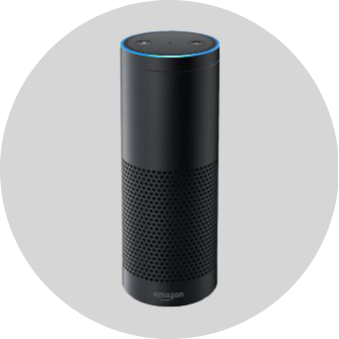
Amazon Echo
Type: Smart Assistant
Description: Amazon Echo is a hands-free speaker you control with your voice. Echo connects to the Alexa Voice Service to play music, provide information, news, sports scores, weather, and more—instantly. All you have to do is ask.
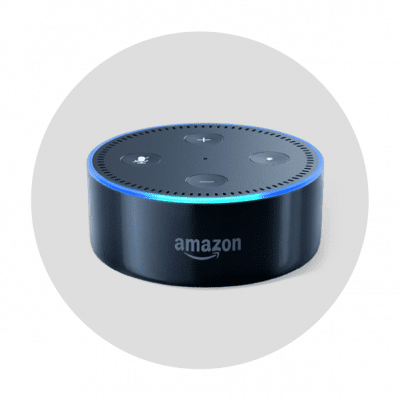
Amazon Echo Dot
Type: Smart Assistant
Description: Amazon Echo is a hands-free speaker you control with your voice. Echo connects to the Alexa Voice Service to play music, provide information, news, sports scores, weather, and more—instantly. All you have to do is ask.
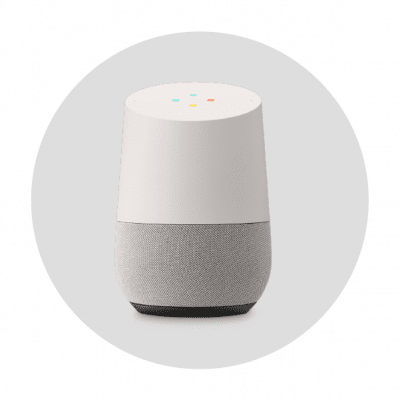
Google Home
Type: Smart Assistant
Description: Google Home is a voice-activated speaker powered by the Google Assistant. Ask it questions. Tell it to do things. It’s your own Google, always ready to help. Just start with, "Ok Google".

Voice Flow
Type: Online Platform
Description: Voiceflow is an online platform that easily lets you build voice apps for Alexa Skills or Google Actions. This platform utilizes an intuitive drag and drop system that allows for simple visual diagrams that are then converted to skills.