Drones

Drones are aerial robots that use sensors, motors, and onboard processors to fly autonomously or under remote control. They gather information about their surroundings through tools such as cameras, accelerometers, and GPS modules, allowing them to maintain stability, navigate, and perform coordinated movements in the air. Lightweight frames and efficient propellers make drones agile, while software enables features like altitude hold, waypoint navigation, and automated flight patterns. Drones are used in fields such as environmental monitoring, filmmaking, agriculture, and emergency response. By combining robotics, aerodynamics, and sensing technologies, drones offer a versatile platform for exploring and interacting with the world from above.
Tech Kits

Tech Kits are part of the walk-in service provided by Innovate Labs. There are three levels of difficulty meant for different users and their experience with the different technologies. Many of the Tech Kits build off each other as you progress.

Beginner

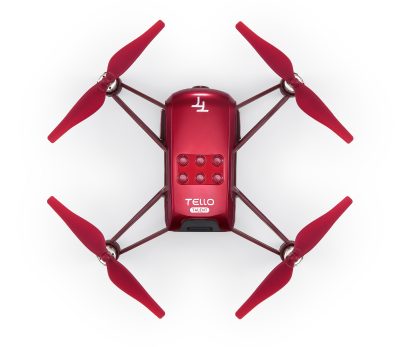
DJI’s Robomaster Tello Talent

Length: 30 Minutes

Description: Drone technology combines small flying devices with built-in sensors and cameras that can be controlled remotely or programmed to fly on their own. The DJI Tello demonstrates how automation allows machines to perform tasks like capturing aerial images, surveying landscapes, or assisting in research without direct human involvement. By blending simple design with advanced features, drones illustrate how emerging technologies make everyday activities more efficient and open new possibilities in fields ranging from education to business.

Intermediate

Automated Sensor System

Length: 45 Minutes

Description: Autonomous drone technology combines advanced sensors with artificial intelligence to allow drones to perceive their surroundings and make decisions without human control. These sensors, such as cameras, GPS, and infrared detectors, gather data about the environment, while onboard systems process this information to navigate, avoid obstacles, and perform tasks. In practice, this enables drones to be used for applications like surveying land, monitoring crops, delivering packages, or assisting in search and rescue operations, offering a glimpse into how machines can interact intelligently with the physical world.

Advanced

Autonomous Drone Flight

Length: 60 Minutes

Description: Drones are advanced flying devices that use sensors, cameras, and software to operate with precision, often without direct human control. They combine mechanical design with digital technologies like GPS and artificial intelligence to navigate and perform tasks. Here we will control a Tello drone through Python, detect and track a face blending engineering and computing allowing us to illustrate how emerging technologies can extend human capabilities in both every day and specialized activities.

Resources

DJI Tello Minidrones

Type: Drone

Quantity: 10

Description: Tello is a mini drone equipped with an HD camera, giving you a bird's-eye view of the world. It is easy to fly, and even a beginner can control it

LED Matrix

Type: Hardware

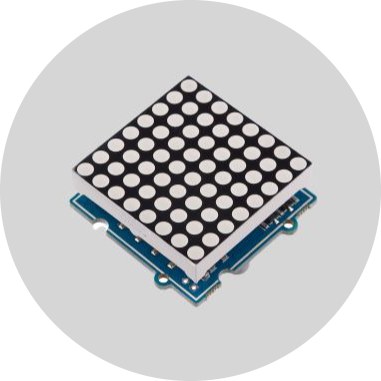
Description: An LED Matrix is a low-cost electronic digital display device that displays information on machines such as clocks, watches, calculators, and many other devices requiring a simple alphanumeric display device of limited resolution.

DJI Robomaster s1

DJI Robomaster S1

Type: Robot

Quantity: 1

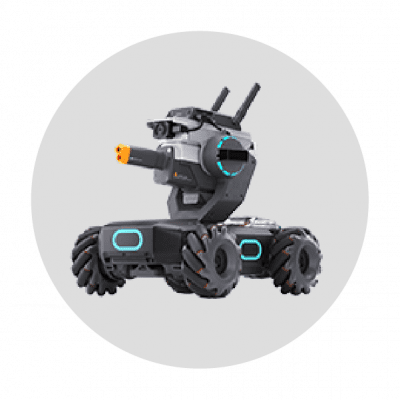
Description: The RoboMaster S1 platform provides a platform on which to learn about programming, AI, and robotics. This fully customizable and modular robot has endless potential as an autonomous drone as well, with its onboard camera and array of sensors.

RoboMaster App

RoboMaster

Type: Application

Description:With the dedicated RoboMaster app, multi-platform interactions and various operation methods are supported, along with rich educational resources and several competition modes.