Start Building Real Tech Skills.
Build the skills to go from simple code to powering real-world devices.
Microcontrollers
Microcontrollers allow you to interact with the real world through sensors, motors, lights, and other devices. They are essentially small programmable computers that can be used to perform a variety of tasks, control hardware, and execute subroutines. These small microprocessors allow anyone to build any type of intelligent technology with a simple-to-use, low-cost piece of equipment.
What Are Tech Kit Modules?
Tech Kits are part of the walk-in service provided by Innovate Labs. Three levels of difficulty are designed for different experience levels — many kits build on one another as you progress.
Beginner
Implement Embedded Routines with Microprocessors
Length: 30 MinutesDescription: Microcontrollers allow interaction with the physical world through components such as motors and lights. Students build a simple Arduino circuit to blink an LED at regular intervals, then extend it with a photoresistor to simulate dusk-to-dawn lighting systems. This demonstrates how microcontrollers read signals, execute logic, and produce real-time physical outputs.
Intermediate
Investigate Embedded Systems with Raspberry Pi
Length: 45 MinutesDescription: This tech kit explores embedded systems using Raspberry Pi, where students learn Linux basics, control hardware like servo motors with Python, and build simple automation systems. It introduces the connection between software and physical devices.
Advanced
More Information Coming Soon
Length: 60 MinutesDescription: More Information Coming Soon.
Control Software
Microcontrollers are small, self-contained computers designed to interact with the physical world through sensors, motors, lights, and other electronic components. They contain a processor, memory, and input-output pins on a single chip, allowing them to read signals, make decisions, and control devices almost instantly. These systems power everyday technology including appliances, wearables, vehicles, and medical tools. By programming a microcontroller, developers can create responsive behaviors such as detecting motion, measuring light, or activating indicators. Their low cost and versatility make them a practical entry point for learning how software and hardware work together.
What are Tech Kit Modules?
Tech Kits are part of the walk-in service provided by Innovate Labs. Three levels of difficulty are designed for different experience levels — many kits build on one another as you progress.
Beginner
More Information Coming Soon
Length: 30 MinutesDescription: More Information Coming Soon.
Intermediate
More Information Coming Soon
Length: 45 MinutesDescription: More Information Coming Soon.
Advanced
More Information Coming Soon
Length: 60 MinutesDescription: More Information Coming Soon.
Resources
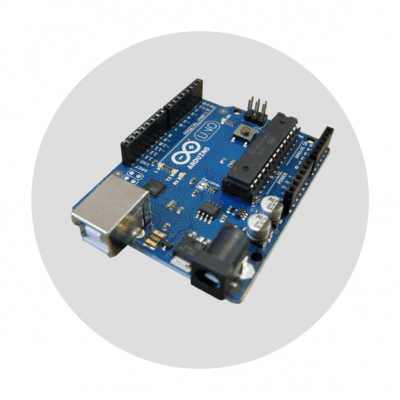
Arduino Uno Rev3
Quantity: 5
Description: Includes the Official Starter Kit from Arduino, MAKE Magazine's "Getting Started with Arduino: The Open Source Electronics Prototyping Platform" and Speed Kits handy PIN-OUT Reference Chart for the Uno R3.
Arduino IDE
Type: Software
Description: In the Arduino IDLE you can enter code and run programs.
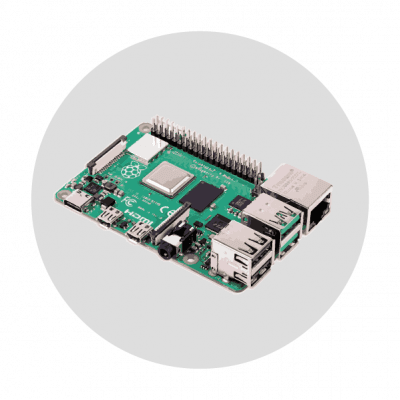
Raspberry Pi
Quantity:
Raspberry Pi B+: 13
Raspberry Pi 2: 1
Raspberry Pi 3: 6
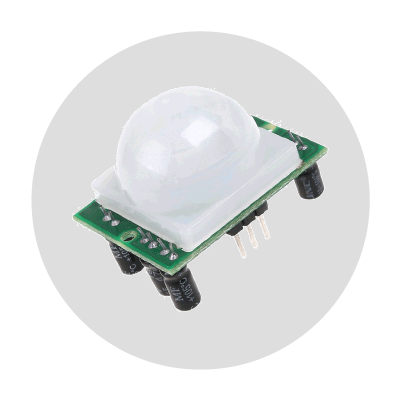
Motion Sensor for Raspberry Pi
Quantity: 15
Description: The Adjustable PIR Motion Sensor is a highly integrated module popularly used for entry detection, it complies with microcontroller or DC loads.
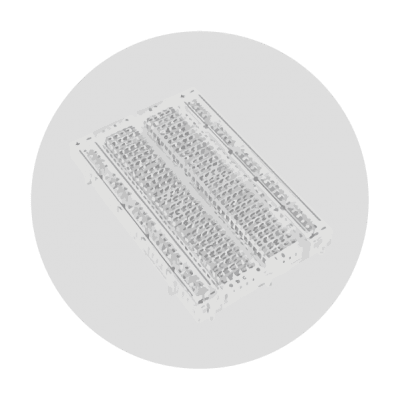
Breadboard
Type: Hardware
Description: Breadboards are used to connect components and wire easily with the internally connected rows and columns.
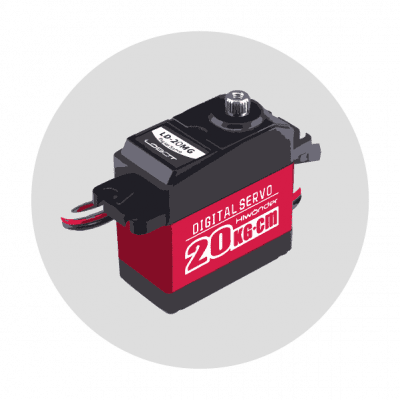
Digital Servo
Type: Hardware
Description: Digital Servos receive and direct action at high frequency voltage pulses using a small microprocessor.
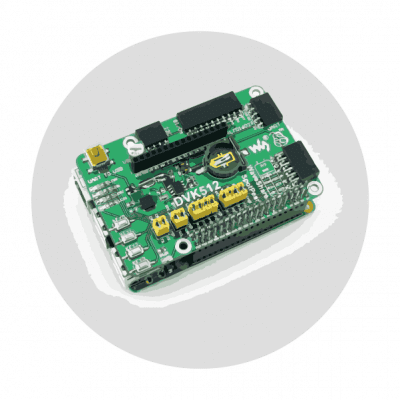
RPIO Pi Extension Board
Type: Hardware
Description: This extension board connects to the Raspberry Pi to enable the user to utilize all of the pins for prototyping.
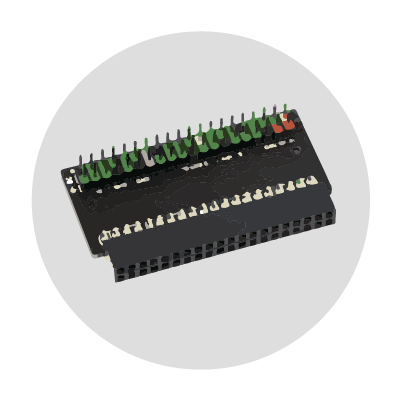
GPIO Pi Extension
Type: Hardware
Description: This extension board connects to your Raspberry Pi so that you can utilize all 40 of the Raspberry Pi's different pins for prototyping.
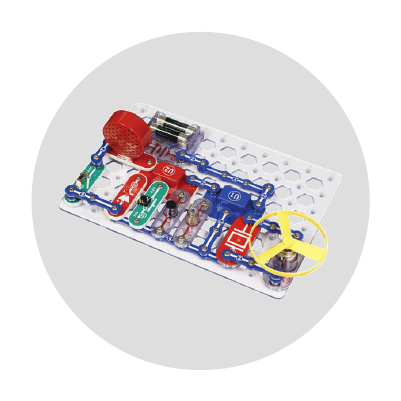
Snap Circuits
Type: Hardware
Description: Snap Circuits teach basic circuitry with components that easily snap together to assemble electronic circuits.
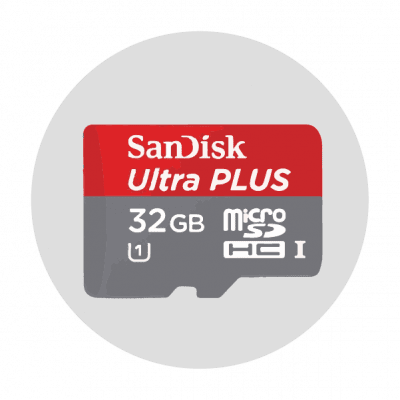
Micro SD Card
Type: Hardware
Description: Micro SD cards are used for extra storage.
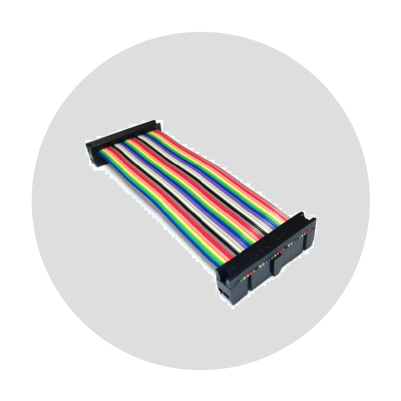
Ribbon Cable
Type: Hardware
Description: The ribbon cable connects the breadboard and the GPIO extension board. among other connections.
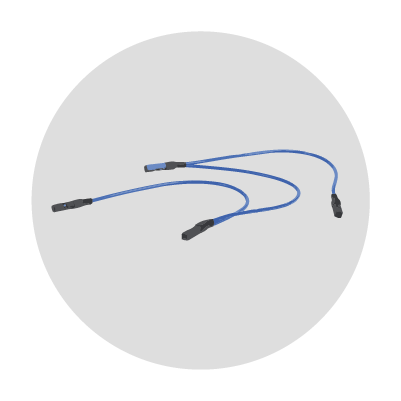
Jumper Wires
Type: Hardware
Description: Jumper wires are used for easy connection between components.
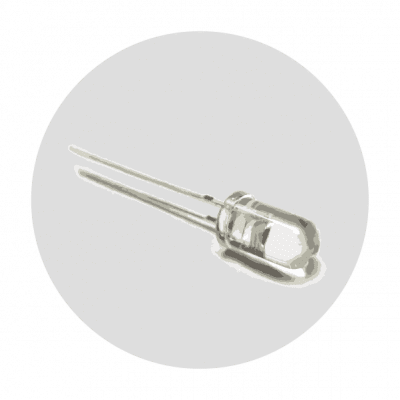
Led Lights (5mm)
Type: Hardware
Description: LED lights are used in many circuit assemblies for testing or some sort of signal for the circuit purpose.
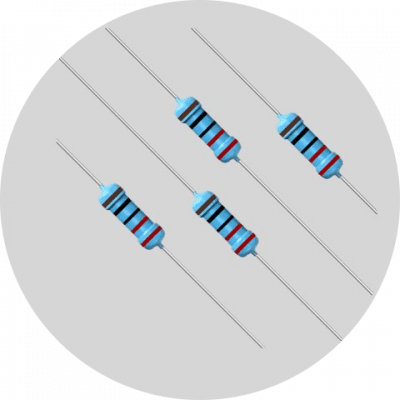
220 OHM Resistor
Type: Hardware
Description: The 220-ohm resistor is a protective component that ensures the LED connected to a microcontroller receives a safe amount of current, preventing damage to both the LED and the microcontroller.

Photoresistor
Type: Hardware
Description: A photoresistor allows a microcontroller to sense changes in light levels.